

What Is Teeth Whitening?
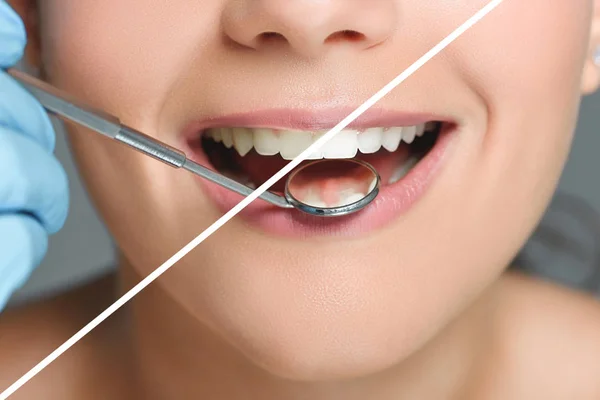
Teeth whitening is the use of special products and techniques to lighten the color of your teeth and remove stains and discolorations. Teeth whitening is a cosmetic dentistry procedure. The purpose of teeth whitening is to achieve a brighter and whiter-looking smile.
There are several methods for whitening teeth:
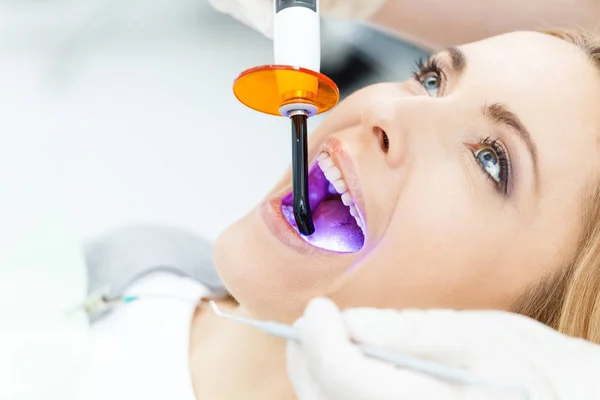
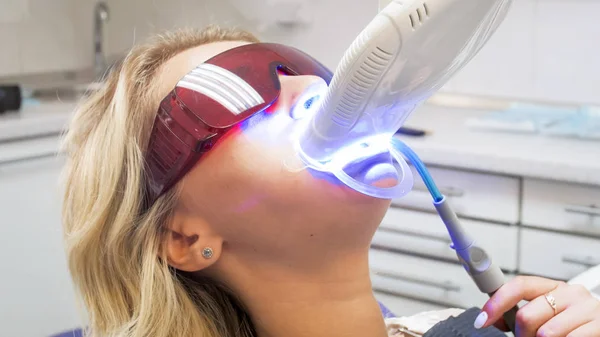
- Whitening in the practice: In the practice, a highly concentrated whitening gel is applied to the teeth. It is then exposed to a special light or laser. Treatment can be completed in just one appointment.
- Take-home whitening kits: These kits are specially placed trays. It also contains a lower concentration whitening gel that you can apply at home. Trays are installed for a certain amount of time each day. The process may take several weeks to achieve the desired results.
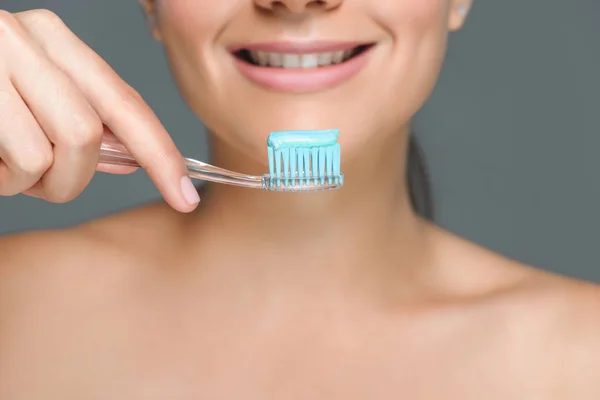
- Over-the-counter whitening products: This includes whitening toothpaste, strips, gels, and other products available for purchase without a prescription. These products are typically less effective than professional whitening methods. It may take longer to achieve the desired results.
Teeth whitening is not a permanent solution. It is important to note that it may need to be repeated periodically to maintain the desired results.
Teeth Whitening Procedures, Methods and Types Step By Step
Here is a step-by-step guide to the most common teeth whitening procedures:
In-office whitening:
- The dentist will first clean your teeth to remove plaque or surface stains.
- A protective barrier will be placed on your gums to protect them from the whitening gel.
- The dentist will then apply a highly concentrated whitening gel to your teeth. It will use a special light or laser to activate the gel and speed up the whitening process.
- The procedure usually takes about an hour.
- After treatment, the dentist removes the protective barrier. It cleans your teeth.
- You may experience some sensitivity immediately after the treatment. This sensitivity will pass in a few hours.
At-home whitening kit:
- The dentist will first measure your teeth to create personalized plaques.
- You will receive the spoons and a lower concentration whitening gel.
- It will fill the trays with gel. You will wear it for a certain amount of time each day, usually for a few hours or overnight.
- The process may take several weeks to achieve the desired results.
- You will repeat the process until you reach the desired whiteness level.
Over-the-counter whitening products:
- Choose an over-the-counter whitening product that you feel comfortable using.
- Carefully follow the instructions on the product.
- Repeat the process until the desired whiteness level is reached.
- The process may take several weeks to achieve the desired results.
Note: Make sure it fits your personal needs and is safe. It is important to consult a dentist before starting any teeth whitening procedure.
What is Tooth Bleacing?
Teeth Bleaching can be done at the dentist’s office or at home using over-the-counter products. In-office teeth Bleaching typically involves the use of a highly concentrated Bleaching gel applied to the teeth and activated by a special light or laser. At-home teeth Bleaching typically involves using specially placed trays and a lower-concentration Bleaching gel that you apply yourself.
It is important to remember that teeth Bleaching is not a permanent solution and may need to be repeated periodically to maintain desired results. Additionally, some people may experience tenderness or discomfort during or after the procedure. It is recommended that you consult a dentist before starting any teeth Bleaching treatment to determine if it is suitable for your individual needs and to ensure safe and effective results.
Note: Teeth bleacing is a commonly used term, but not a medically recognized term. The appropriate term is teeth whitening.
What is The Difference Between Bleaching and Whitening?
There is no difference between whitening and bleaching when it comes to aesthetic dentistry procedures. Both terms refer to the same process of whitening teeth and removing stains and discolorations.
Teeth bleaching is a commonly used term, but not a medically recognized term. The appropriate term is teeth whitening. The two terms are often used interchangeably. Both refer to the same cosmetic dentistry procedure.
Whichever term is used, the goal of teeth whitening/whitening is to achieve a brighter, whiter and younger looking smile.
It is important to consult a dentist before starting any teeth whitening/bleaching treatment to determine if it is suitable for your individual needs and to ensure safe and effective results.
Causes of Tooth Staining
There are several factors that can cause tooth staining and discoloration:
- Age: As you get older, your tooth enamel can become thinner. May cause yellowish dentin to appear.
- Food and drink: Consuming dark-colored foods and beverages such as red wine, coffee, tea may cause staining on the tooth surface.
- Tobacco use: Using cigarettes and smokeless tobacco products can cause yellow or brown stains on your teeth.
- Some drugs: Some drugs, such as tetracycline antibiotics, can cause internal discoloration of the teeth.
- Trauma: Tooth trauma can cause changes in the color or appearance of the tooth.
- Poor oral hygiene: Neglecting oral hygiene, such as not brushing and flossing regularly, can cause plaque and bacteria to build up on the surface of your teeth, resulting in staining and discoloration.
- Genetics: Some people are naturally predisposed to have yellow or discolored teeth.
It causes staining and discoloration to maintain good oral hygiene and keep your teeth looking their best. It is important to limit or avoid food and drink.
Types of Tooth Staining
There are several types of tooth stains, including:
- External staining: This type of staining occurs on the tooth surface. It is caused by factors such as food and drink, tobacco use, and poor oral hygiene.
- Internal staining: This type of staining occurs on the inside of the tooth. It is caused by factors such as aging, trauma, certain medications, and genetics.
- Age-related staining: As you age, the outer layer of your teeth, called enamel, may become thinner. It can cause yellowish dentin to appear and your teeth to look yellow or discolored.
- Surface staining: This type of staining on the surface of the teeth is caused by factors such as consuming dark food and beverages, smoking and poor oral hygiene.
- Tetracycline staining: This type of staining is caused by the use of tetracycline antibiotics, which can cause internal discoloration of the teeth.
- Staining due to trauma: Tooth trauma can cause changes in the color or appearance of the tooth.
Tooth Discoloration
Tooth discoloration refers to any discoloration that affects the natural appearance of the teeth. The cause of tooth discoloration can be external (on the tooth surface) or internal (inside the tooth).
External discoloration is caused by factors such as consumption of dark-colored foods and beverages, tobacco use, poor oral hygiene, and certain medications. Intrinsic discoloration is caused by factors such as aging, trauma, certain medications, and genetics.
Tooth discoloration can range from mild to severe and can affect one tooth or multiple teeth.
Treatment options for tooth discoloration may include professional teeth whitening treatments, veneers, tooth bonding or dental crowns. The best course of action will depend on the cause and severity of the discoloration and the person’s specific needs and goals.
Internal Tooth Stains
Internal tooth stains are stains that form on the inside of the tooth rather than its surface. They can be caused by various factors:
- Aging: As you age, the outer layer of your teeth, called enamel, thins out, causing yellowish dentin to appear and your teeth to look yellow or faded.
- Some medications: Some medications, such as tetracycline antibiotics, can cause the inner color of the teeth to become discolored.
- Trauma: Tooth trauma can cause changes in the color or appearance of the tooth.
- Genetics: Some people are naturally predisposed to have yellow or discolored teeth.
Internal tooth stains are more difficult to remove than surface stains. It often requires more aggressive cosmetic dentistry procedures such as veneers or dental crowns.
External Tooth Stains
External tooth stains are stains that form on the surface of the teeth rather than the inside. They can be caused by various factors:
- Food and drink: Consuming dark-colored foods and beverages such as red wine, coffee, tea can cause staining on the tooth surface.
- Tobacco use: Using cigarettes and smokeless tobacco products can cause yellow or brown stains on your teeth.
- Poor oral hygiene: Neglecting oral hygiene, such as not brushing regularly and not flossing. It can cause plaque and bacteria to build up on the surface of your teeth, causing staining and discoloration.
External tooth stains are usually easier to remove than internal stains. It can be treated with professional teeth whitening treatments or over-the-counter whitening products.
Side Effects of Teeth Whitening
Teeth whitening is a cosmetic procedure that can improve the appearance of your teeth. However, as with all cosmetic procedures, there may be some side effects. Here are some of the most common side effects of teeth whitening:
- Sensitivity: Sensitivity is the most common side effect of teeth whitening. Substances used for bleaching penetrate tooth enamel. Then it destroys the tooth nerves.
- Gum irritation: Some people may experience gum irritation after teeth whitening. This is because bleaching agents can come in contact with the gums and cause irritation.
- Uneven whitening: In some cases, teeth whitening can cause uneven whitening, where some teeth are whiter than others. This can happen when teeth are not properly coated with bleach or when some teeth are more porous than others.
- Temporary changes in tooth color: Teeth whitening can cause temporary changes in tooth color, such as a gray or blue-gray hue. This is a normal side effect of bleaching. It typically disappears within a few days to a few weeks.
Who Should Whiten Teeth?
Here are some factors to consider when deciding whether teeth whitening is right for you:
- Age: Children and teenagers should not have teeth whitening. Because their teeth are still developing. Bleaching agents can damage tooth enamel.
- Dental health: People with caries, gum disease or other dental problems should not have whitening.
- Tooth sensitivity: People with sensitive teeth may experience discomfort or pain during or after teeth whitening. They may need to consider alternative cosmetic procedures.
- Expectations: It is important to have realistic expectations about teeth whitening results. Some stains and discolorations may not be removed by bleaching. Other cosmetic procedures may be required.
- Pregnancy and breast-feeding: Pregnant or breastfeeding women should avoid teeth whitening. The safety of whitening agents for the developing fetus or nursing child is not fully understood.
Teeth Whitening Aftercare
After teeth whitening, it is important to properly care for your teeth to preserve results and minimize side effects. Here are some aftercare tips for teeth whitening:
- Avoid dark or stained foods and drinks: After teeth whitening, it’s best to avoid dark or staining foods and drinks, such as coffee, tea, red wine, and black berries, as they can quickly re-stain your teeth.
- Use sensitive toothpaste: If you experience sensitivity after teeth whitening, use sensitive toothpaste to reduce discomfort.
- Brush and floss regularly: Brushing and flossing regularly will help maintain your teeth whitening results and keep your teeth healthy.
- Wear a personalized mouth guard: If you grind or clenched your teeth at night, wearing a personalized mouth guard helps protect your teeth. It prevents the teeth from becoming sensitive after the whitening process.
- Follow-up with your dentist: It is important to meet with your dentist after teeth whitening to monitor your progress and discuss any problems or concerns you may have.
By following these aftercare tips, you can help maintain your teeth whitening results and keep your teeth healthy and shiny for years.
Teeth Whitening treatment Effect Time
The duration of the effect of teeth whitening treatment varies according to the type of treatment and the severity of the staining or discoloration. Here are some general guidelines for the duration of action of different teeth whitening treatments:
- In-office teeth whitening: In-office teeth whitening is the fastest and most effective form of teeth whitening treatment. Treatment typically takes one to two hours and can brighten your teeth a few shades straight away.
- At-home teeth whitening: At-home teeth whitening typically takes from a few days to a few weeks to achieve desired results. Treatment involves wearing specially placed trays filled with a bleaching gel for several hours each day. Results are gradual but can be as effective as in-office teeth whitening.
- Over-the-counter teeth whitening: Over-the-counter teeth whitening products such as strips or gels can take from a few days to a few weeks to achieve the desired results. Results are often less dramatic than professional teeth whitening treatments. However, it can still improve the appearance of your teeth.
Laser Teeth Whitening and Cost in Turkey
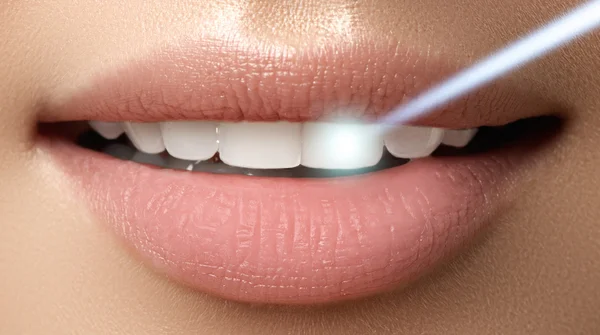
Laser teeth whitening is a cosmetic dentistry procedure that involves the use of lasers to activate a whitening gel and speed up the whitening process. This type of treatment is carried out in a dental office and can give effective results in just one appointment.
The cost of laser teeth whitening in Turkey may vary depending on the type of treatment and the individual’s specific needs and goals. On average, the cost of laser teeth whitening in Turkey can range from 1,000 to 4,000 Turkish lira. It is important to note that prices may vary depending on location and dentist’s expertise.
Avarage Cost of Teeth Whitening
Teeth whitening prices may vary depending on the type of treatment and the place where it is performed. Here are some general guidelines for the average cost of different teeth whitening treatments:
- In-office teeth whitening: In-office teeth whitening is a type of teeth whitening treatment that costs an average of $650 to $1,000. The cost may vary depending on the type of whitening products used, the duration of the treatment and the location of the practice.
- At-home teeth whitening: At-home teeth whitening usually costs less than in-office teeth whitening. Its average cost is from 300 to 600 US dollars. The cost may vary depending on the type of whitening products used, the duration of the treatment and the location of the practice.
- Over-the-counter teeth whitening: Over-the-counter teeth whitening products, such as strips or gels, are often less expensive than professional teeth whitening treatments. Its average cost is from 30 to 100 USD. The cost may vary depending on the type of product used and the retailer’s location.
Teeth Whitening Treatment Cost in Turkey
The cost of teeth whitening treatment in Turkey can vary greatly depending on the type of treatment and the location of the dental office. On average, teeth whitening treatment in Turkey is generally cheaper than in other countries due to lower cost of living and lower labor costs.
Here are some general guidelines for the average cost of teeth whitening treatment in Turkey:
- In-office teeth whitening: The cost of in-office teeth whitening in Turkey is usually between $300 and $600. It is significantly lower than in other countries.
- At-home teeth whitening: The cost of at-home teeth whitening in Turkey is usually between $200 and $400. It is significantly lower than in other countries.
- Over-the-counter teeth whitening: Over-the-counter teeth whitening products are also cheaper in Turkey than in other countries. Its average cost is $20 to $60.
It is important to keep in mind that the cost of teeth whitening in Turkey can vary greatly depending on the type of treatment and the location of the dental practice.
Why is Teeth Whitening Cheaper in Turkey?
Teeth whitening is generally cheaper in Turkey compared to other countries due to several factors:
- Lower cost of living: Turkey has a lower cost of living compared to many other countries. This means lower prices for dental services, including teeth whitening.
- Lower labor costs: Labor costs are lower in Turkey compared to many other countries. It can result in lower prices for dental services, including teeth whitening.
- Competition: There are many dental clinics in Turkey. Competition between these clinics can help lower prices for dental services.
- Health tourism: Turkey is a popular destination for health tourism. Many dental clinics in Turkey offer competitive prices for teeth whitening and other dental services to attract international patients.
It is important to keep in mind that the quality of dental services in Turkey can vary widely. It is important to choose a reputable dental clinic with experienced and qualified dentists. Turkey can be an attractive option for those looking for an affordable teeth whitening treatment.