

What is Root Canal Treatment?
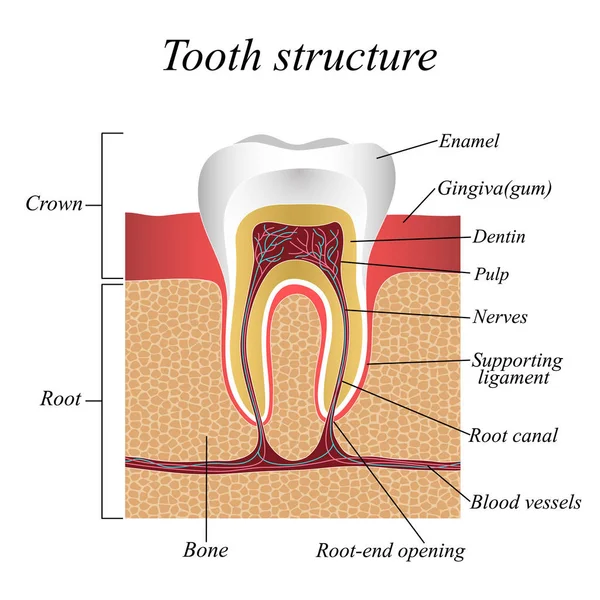
Root canal treatment, also known as endodontic treatment, is a dental procedure to remove infected or inflamed tissue from the inside of a tooth. Known as the pulp, this tissue contains nerves, blood vessels, and other tissues that help the tooth grow and develop. it can cause severe pain. It can lead to the formation of an abscess, which can spread to the mouth and other parts of the body.
During root canal treatment, the dentist will remove the infected or inflamed pulp and clean the inside of the tooth. The tooth is then filled with a special material. It is closed to prevent further infection. The tooth is then covered with a temporary filling or veneer to protect it until a permanent restoration can be made.
Root canal treatment is typically done to save a damaged or infected tooth that might otherwise need extraction. The procedure is relatively painless. It can be completed in one or two appointments, depending on the complexity of the case. After treatment, the tooth continues to function like other teeth and can be used for biting and chewing.
Root Canal Treatment Symptoms and Causes
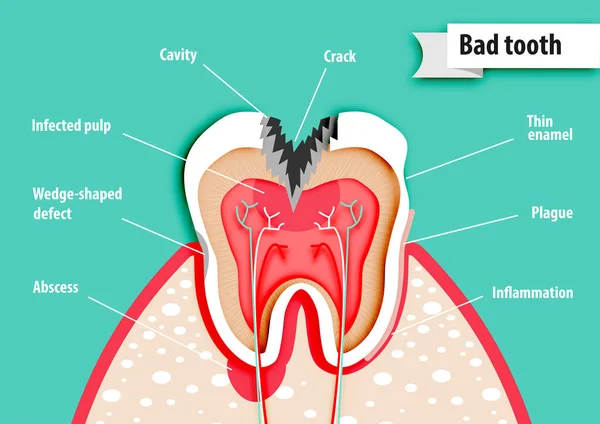
Symptoms of a damaged or infected pulp that may require root canal treatment include:
- Pain or sensitivity to hot or cold temperatures
- Pain or pressure in or around the tooth
- Swelling or tenderness of the gums
- Pimple-like swelling on the gums near the affected tooth
- Darkening of the tooth
- A persistent or recurrent toothache
Causes of damaged or infected pulp that may require root canal treatment include:
- Bruises or cavities reaching the pulp
- Trauma or injury to the tooth
- Crack or chip in the tooth
- Repeated dental procedures on the same tooth
- Deep fillings that disrupt the integrity of the tooth
Untreated pulp damage can lead to more serious and potentially life-threatening infections.

Advantages of Root Canal Treatment
The advantages of root canal treatment are:
- Pain relief: Root canal treatment can relieve pain and discomfort caused by an infected or inflamed pulp.
- Tooth salvage: Root canal treatment is normally done to save a damaged or infected tooth that may need to be extracted. This helps maintain the natural appearance and function of the mouth.
- Preventing the spread of infection: Root canal treatment can prevent the spread of infection to the mouth or other parts of the body by removing the infected or inflamed pulp.
- Long-term tooth preservation: After root canal treatment, the treated tooth can continue to function like other teeth and can be used for biting and chewing. This helps to preserve the tooth for many years.
- Cost-effective: Root canal treatment is generally more cost-effective than tooth extraction and replacement with a dental implant or bridge.
- Minimal discomfort: Root canal treatment is typically performed under local anesthesia and is not considered a painful procedure. Most patients experience little discomfort during and after treatment.
- Short recovery time: After root canal treatment, most patients can return to their normal activities within a few days. The treated tooth may be sensitive for a short time, but this will improve as the tooth heals.
Risks of Root Canal Treatment
The risks of root canal treatment include:
- Pain or discomfort: Some patients may experience pain or discomfort during or after treatment. However, this is usually mild. It can be relieved with over-the-counter pain relievers.
- Infection: Although rare, there is a risk of infection after root canal treatment. This can happen if bacteria are not completely removed from the treated tooth or if the tooth is not properly sealed after treatment.
- Crack or breakage: The treated tooth may be brittle and more prone to breakage or breakage after treatment. This can happen if the tooth has not been restored properly or if the patient bites into hard or crunchy food.
- Failure of Treatment: In rare cases, root canal treatment may fail. Additional treatment or tooth extraction may be required. This can happen if the duct is not cleaned properly or if the sealant leaks or becomes dislodged.
- Allergic reaction: Some patients may have an allergic reaction to materials such as filling material or local anesthetic used during root canal treatment.
It is important that you discuss the risks and benefits of root canal treatment with our dentists and ask any questions you may have before treatment. Our dentists will be able to advise you on the best course of action for your particular situation and help you make an informed decision.
How Make is Root Treatment?
Root canal treatment is an operation to remove infected or damaged tissue inside the root canal of a tooth. Below is an overview of how the procedure is carried out:
- Anesthesia: The dentist numbs the area around the tooth with a local anesthetic. This will help reduce any discomfort during the procedure.
- Access to Root Canal: The dentist will make a small opening at the top of the tooth to access the root canal.
- Cleaning the Root Canal: The dentist will remove the infected or damaged tissue from the root canal using special tools. The root canal will then be thoroughly cleaned and disinfected.
- Shaping the Root Canal: The dentist will use special tools to shape the root canal so that it can be filled with a special material.
- Filling the Root Canal: The dentist will fill the root canal with a special material such as gutta-percha to protect it from bacteria and prevent further infection.
- Tooth Closure: The dentist will place a temporary filling in the opening in the tooth to protect the tooth until a permanent restoration is made.
- Follow-up Visit: The patient will return for a follow-up visit to have a permanent restoration placed on the tooth, such as a veneer or filling.
The entire procedure typically requires one to two visits to complete and can help save a damaged or infected tooth.
Step by Step Root Canal Treatment Stages and Procedures
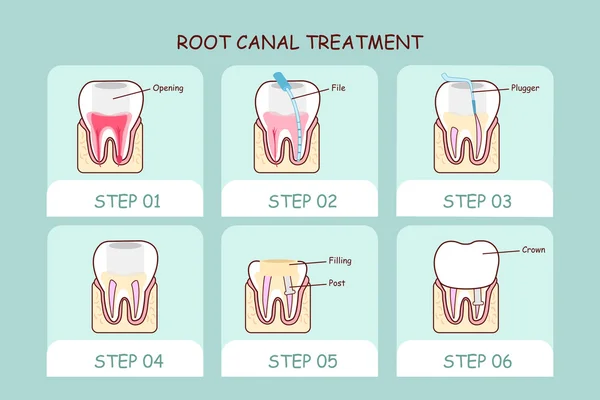
The stages of root canal treatment are as follows:
- Consultation and Diagnosis: The dentist will examine the tooth and take an X-ray to determine if root canal treatment is necessary.
- Anesthesia: The dentist will numb the area around the tooth with a local anesthetic to reduce any discomfort during the procedure.
- Root Canal Access: The dentist will make a small opening in the top of the tooth to access the root canal.
- Cleaning and Shaping: The dentist will remove infected or damaged tissue from the root canal and shape it to prepare the canal for filling.
- Disinfection: The root canal will be thoroughly cleaned and disinfected to prevent further infection.
- Filling and Sealing: The dentist will fill the root canal with a special material such as gutta-percha to protect it from bacteria.
- Temporary Filling: The dentist will place a temporary filling in the opening in the tooth to protect the tooth until a permanent restoration is made.
- Permanent Restoration: The patient will return for a follow-up visit to have a permanent restoration placed on the tooth, such as a crown or filling.
- Post-Treatment Care: The patient will be instructed on appropriate post-treatment care, such as avoiding hard or crunchy foods and maintaining good oral hygiene habits.
Preparation For Root Canal Treatment
Here are some things you can do to prepare for root canal treatment:
- Schedule the appointment: Make an appointment with your dentist for root canal treatment.
- Discuss any medical condition: If you have any medical condition such as allergies, diabetes, or if you are pregnant, let your dentist know.
- Discuss any medication: Let your dentist know if you are taking any medication, including over-the-counter medications, herbal supplements, or prescription medications.
- Arrange transportation: If you are going to have local anesthesia, you will need to arrange for someone to drive you home after the procedure.
- Wear comfortable clothes: Wear comfortable, loose-fitting clothes to the appointment.
- Brush and floss well: Brush and floss well before your appointment to help keep the area clean.
- Ask questions: If you have any questions or concerns about the procedure, be sure to ask your dentist.
By following these steps and preparing for root canal treatment, you can help the process go as smoothly and stress-free as possible.
Pulp Removal In Root Canal Treatment
Removing the pulp (soft tissue inside the root canal) is a very important step in root canal treatment.
Root Canal Access: The dentist will make a small opening in the top of the tooth to access the root canal.
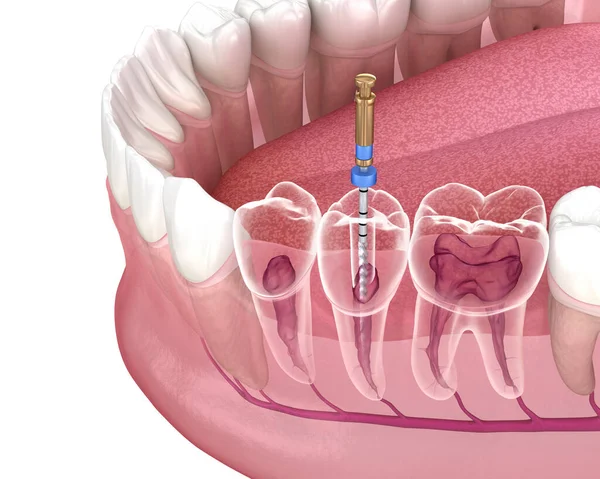
- Cleaning the Root Canal: The dentist will remove the infected or damaged pulp from the root canal using special tools. This may involve using an instrument called a file to gently scrape the walls of the root canal to remove all infected tissue.
- Disinfection of Root Canal: After pulp removal, the root canal will be thoroughly cleaned and disinfected to prevent further infection. This may include using irrigants such as sodium hypochlorite to remove any remaining deposits.
- Checking the Root Canal: The dentist will use special instruments to make sure the root canal is clean and free of any infected tissue.
- Shaping the Root Canal: The dentist will use special tools to shape the root canal so that it can be filled with a special material.
- Filling the Root Canal: The dentist will fill the root canal with a special material such as gutta-percha to protect it from bacteria and prevent further infection.
Removal of infected or damaged pulp is a crucial step in root canal treatment. It helps prevent the spread of infection and save the damaged tooth.
Infection Clearance And Filling of Root Canal
Cleaning and filling the root canal of infection is a very important step in root canal treatment.
Root Canal Access: The dentist will make a small opening in the top of the tooth to access the root canal.
- Removal of Infected Tissue: The dentist will remove the infected or damaged tissue from the root canal using special instruments. The root canal will then be thoroughly cleaned and disinfected.
- Disinfection of Root Canal: Root canal will be thoroughly cleaned and disinfected to prevent further infection. This may include using irrigants such as sodium hypochlorite to remove any remaining deposits.
- Shaping the Root Canal: The dentist will use special tools to shape the root canal so that it can be filled with a special material.
- Filling the Root Canal: The dentist will fill the root canal with a special material such as gutta-percha to protect it from bacteria and prevent further infection.
Cleaning and filling the root canal is an important step in root canal treatment as it helps to remove infected tissue and prevent further infection. This step is very important for the success of the procedure and the preservation of the health of the tooth.
The Last Stage of Root Canal Treatment
The final stage of root canal treatment involves sealing the tooth to prevent re-infection. This is usually done by placing a filling or crown over the tooth.
Here is the process of the last stage of root canal treatment:
- Cleaning and shaping: The dentist will clean and shape the root canal to remove any remaining bacteria and debris.
- Filling: The dentist will then fill the root canal with a rubber-like material called gutta-percha. This seals the tooth and helps prevent re-infection.
- Temporary filling: The dentist will place a temporary filling over the gutta-percha to protect the tooth until a permanent filling or crown is placed.
- Permanent filling or crown: The dentist usually waits several days to make sure the tooth is stabilized before placing a permanent filling or crown. This will restore the strength of the tooth and protect it from further damage.
- Follow-up appointments: The dentist usually schedules a follow-up appointment to check the healing process and make sure the tooth is working properly.
Consequently, the final stage of root canal treatment is necessary to ensure the success of the procedure and to prevent re-infection.
Adding Crowns or Filling to Root Canal Treatment
A veneer or filling is usually added after root canal treatment to protect and strengthen the treated tooth.
The process of adding crowns or filling to root canal treatment is as follows:
- Preparation: Before adding a veneer or filling, the dentist will make sure the tooth is completely clean and free of any infection. They also numb the area to minimize discomfort during the procedure.
- Impression: The dentist will take an impression of the tooth to create a personalized crown or filling.
- Temporary crown or filling: The dentist will place a temporary crown or filling over the treated tooth until the permanent crown or filling is ready.
- Permanent crown or filling: When a permanent crown or filling is created, the dentist removes the temporary crown or filling and places the permanent one. They will then adjust the crown or filling to provide a comfortable fit.
- Follow-up appointments: The dentist usually schedules a follow-up appointment to check the healing process and make sure the crown or filling is working properly.
As a result, veneer or filling after root canal treatment is an important step in protecting and strengthening the treated tooth. The process is simple and straightforward. The dentist will take all necessary measures to achieve a comfortable and successful result.
Recovery After Root Canal Treatment
Recovery after root canal treatment is usually quick and easy. However, there may be some discomfort and sensitivities. Here are some tips for recovery after root canal treatment:
- Pain relief: Over-the-counter pain relievers such as ibuprofen or acetaminophen can help manage any discomfort or pain. Your dentist can also prescribe a stronger pain reliever if needed.
- Avoid hard or crunchy foods: Avoid hard or crunchy foods for the first few days after root canal treatment to allow the treated tooth to heal properly.
- Keep the treated area clean: Brush and floss regularly to keep the treated area clean and prevent re-infection.
- Avoid biting the treated tooth: Avoid biting the treated tooth for the first few days after root canal treatment to allow the area to heal properly.
- Follow-up appointments: Attend all follow-up appointments your dentist schedules to monitor the healing process and ensure root canal treatment is successful.
As a result, recovery after root canal treatment is usually quick and simple. By following these tips and attending all follow-up appointments, you can achieve a successful outcome. You can protect your treated tooth for years.
What Are The Care Recommendations After Root Canal Treatment?
Here are some tips after root canal treatment:
- Pain Relief: You may feel some discomfort after the procedure. Over-the-counter pain medications such as ibuprofen or acetaminophen can help relieve pain.
- Avoid Chewing: Avoid chewing on the root canal treated part of your mouth for the first few days.
- Avoid Strenuous Physical Activity: Avoid any strenuous physical activity for the first 24 to 48 hours after the procedure.
- Keep Tooth Clean: Brush and floss as normal, but be gentle.
- Avoid Certain Foods: Avoid extremely hot or cold foods and drinks, and hard or crunchy foods for the first few days.
- Follow-up Visit: Follow up with your dentist as recommended. They will check how the tooth is healing and if there are any problems that need to be addressed.
- Protect the Tooth: If the tooth has a temporary filling, be careful not to eat from that side and not to bite too hard.
It is important to follow these root canal care tips to ensure a successful and speedy recovery.
Root Canal Treatment Success Rate
Root canal treatment has a high success rate. Studies show that more than 90% of root canal procedures are successful in saving the affected tooth. The success rate may depend on several factors, including the extent of the damage to the tooth, the type of tooth being treated, and the patient’s overall oral health.
Appropriate post-operative care and follow-up visits with the dentist are also important in ensuring the long-term success of root canal treatment. In some cases, a second procedure may be necessary if the first treatment is not successful.
It is important to keep in mind that root canal treatment is a common and effective procedure for treating infected or damaged teeth, and with proper care, a treated tooth can last for many years.
What Are The Ways to Prevent Root Canal Treatment?
Here are some ways to avoid the need for root canal treatment:
- Maintain Good Oral Hygiene: Brush and floss your teeth twice a day to remove plaque and prevent tooth decay.
- Visit the Dentist Regularly: Regular dental checkups and professional cleaning can help detect and prevent problems before they become serious.
- Avoid Sugary Foods and Drinks: Consuming sugary foods and beverages can increase the risk of tooth decay and the need for root canal treatment.
- Use Fluoride: Using fluoride can help strengthen teeth and reduce the risk of tooth decay.
- Avoid Grinding and Clenching: Grinding or clenching your teeth can put excessive pressure on your teeth. It can increase the risk of tooth damage.
- Wear a Mouthguard: If you play sports or participate in any other physical activity that puts your teeth at risk, wearing a mouthguard can protect your teeth from injury.
- Avoid Using Your Teeth as Tools: Avoid using your teeth to open packages, remove bottle caps, or perform other tasks that may put excessive pressure on your teeth.
By following these preventive measures, you can reduce your risk of needing a root canal. and you can maintain good oral health. If you have a damaged or infected tooth, prompt treatment can help prevent the need for root canal treatment.
Alternatives to Root Canal Treatment
Some alternatives to root canal treatment include:
- Dental Crown: If the damage to the tooth is not too severe, dental veneers can be used to protect and strengthen the tooth.
- Dental Implant: If the tooth cannot be repaired, a dental implant can be used to replace the missing tooth.
- Tooth Extraction: If the damage to the tooth is serious and cannot be repaired, the tooth may need to be extracted.
- Endodontic Surgery: In some cases, endodontic surgery may be required to remove damaged or infected tissue and save the tooth.
- Bonding or Filling: If the damage to the tooth is minimal, bonding or filling can be used to repair the tooth.
It is important to discuss all of your treatment options with your dentist to determine the best course of action for your particular situation. The best alternative depends on the extent of the damage to the tooth and your overall oral health.
Cost of Root Canal Treatment
The cost of root canal treatment can vary depending on several factors, including the type of tooth being treated, the extent of the damage, and where you live. On average, a root canal can cost $500 to $1,500 or more.
The cost may be higher if root canal treatment is combined with a crown or other restorative procedure. Insurance can also play a role in the cost of the procedure, as many dental insurance plans cover some of the cost of root canal treatment.
Although root canal treatment can be costly, it is important to keep in mind that it is often a more cost-effective option than extracting the damaged tooth and replacing it with a dental implant or bridge. In addition, root canal treatment can preserve the natural tooth, allowing you to maintain good oral health and avoid future dental problems.
The Cost of Root Canal Treatment in Turkey
The cost of root canal treatment in Turkey may vary depending on the type of tooth being treated and the extent of the damage. However, it is generally cheaper in Turkey than in other countries, including the United States and Europe.
On average, root canal treatment in Turkey can cost $250 to $500 or more, depending on the complexity of the procedure and the type of tooth being treated. The cost may also depend on the reputation and experience of the dentist performing the procedure.
Although the cost of root canal treatment in Turkey is lower than in other countries, it is important to keep in mind that it is still important to consider other factors such as the quality of the treatment, the experience of the dentist, and the level of post-treatment care. supplied.
Why Is Root Canal Treatment Cheap In Turkey?
Root canal treatment in Turkey is generally cheaper than in other countries for several reasons:
- Lower Labor Costs: Labor cost is lower in Turkey compared to other countries, which helps keep the cost of dental procedures including root canal treatment low.
- Strong Dental Tourism Industry: Turkey has a strong dental tourism industry with many dental clinics serving international patients. Competition between clinics is strong which helps to lower the cost of dental procedures.
- Access to Modern Technology: Despite the lower cost of dental procedures in Turkey, many dental clinics have access to modern technology and equipment that help provide high-quality treatment.
- Government Support: The Turkish government has made significant investments in the healthcare sector, including dentistry, which has helped modernize the industry and reduce costs.
These factors have helped make Turkey an attractive destination for dental tourism, and many patients seek dental procedures, including root canal, at a lower cost compared to other countries.