

What is Periodontal (Gum) Disease?
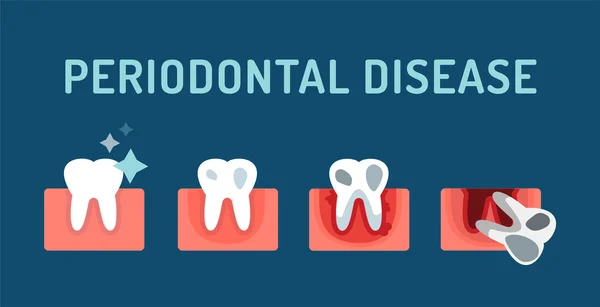
Periodontal (gum) disease is a chronic inflammatory condition that affects the gums and supporting structures of the teeth, including bone. It is caused by the accumulation of bacterial plaque on the teeth and gums. This leads to infection and inflammation. There are several stages of periodontal (gum) disease, from gingivitis (mild gingivitis) to severe periodontitis (severe damage to the gum tissue and bone that support the teeth). If left untreated, periodontal (gum) disease can cause tooth loss. Treatment options include scaling and root straightening, antibiotics and, in severe cases, surgery. It is important to practice good oral hygiene and to have regular dental exams to prevent or treat periodontal (gum) disease.
What are the causes of periodontal (gum) disease?
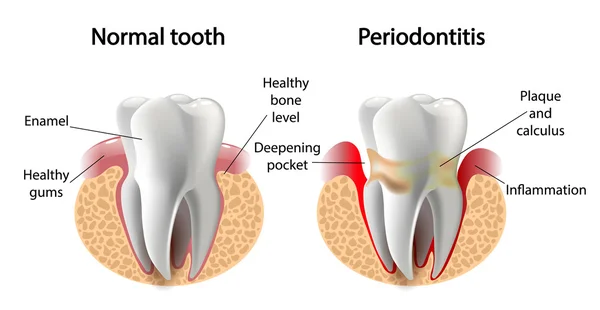
The main cause of periodontal (gum) disease is the buildup of plaque and tartar on the teeth. Plaque is a sticky layer of bacteria that forms on the teeth and along the gum line. If not removed by brushing, flossing, and regular dental cleaning, plaque can harden and turn into tartar.
Other factors that will lead to the development of periodontal disease include:
- Tobacco use
- Poor oral hygiene
- Hormonal changes
- Diseases that affect the body’s ability to fight infections (such as diabetes)
- Certain medications (such as birth control pills or steroids)
- Genetics
- Stress
It is necessary to see a dentist regularly for good oral hygiene habits, cleaning and check-ups. It’s important to get treatment for any gum disease symptoms to help prevent its progression.
Symptoms of Periodontal (gum) Disease
Symptoms of periodontal (gum) disease can range from mild to severe. It can develop gradually over time. Most common symptoms;
- Red, swollen or tender gums
- Bleeding when brushing or flossing
- Receding gums (gums moving away from teeth)
- Bad breath and bad taste in the mouth
- Loose or slipped teeth
- Changes in the way the teeth fit together during biting
- Pus around the teeth and gums
- Change in the alignment of dentures
If you experience any of these symptoms, it is important to see a dentist to get an accurate diagnosis and appropriate treatment.
Periodontal (gum) Disease Treatments
Various treatments are available for periodontal disease, depending on the severity and stage of the disease. Some of the common treatments include:
- Scaling and Rooting: This is a deep cleaning procedure that removes plaque, tartar and bacteria from the surface of teeth and gums.
- Antibiotic Treatment: Antibiotics can be used to control the bacterial infection that causes gum disease. This may be in the form of topical antibiotics, oral antibiotics, or a combination of both.
- Surgery: In advanced cases of gum disease, surgery may be required to remove the infected tissue and restore the health of the gums. This may include flap surgery, bone grafting, or tissue regeneration.
- Laser Therapy: This is a minimally invasive procedure that uses a laser to remove infected tissue and promote healing.
- Medications: Some medications, such as non-steroidal anti-inflammatory drugs, may be prescribed to help control inflammation and speed healing. These are drugs (NSAIDs) or corticosteroids.
- Good Oral Hygiene: Maintaining good oral hygiene is an important part of preventing and treating gum disease. This includes brushing regularly, flossing daily, and visiting the dentist regularly.
It is important to see a dentist or periodontist (gum specialist) for an accurate diagnosis and personalized treatment plan.
Risk Factors For Periodontal (gum) Disease Treatment
There are several risk factors that can increase the likelihood of developing periodontal (gum) disease. Some of the common risk factors are:
- Poor oral hygiene: Neglecting regular brushing and flossing increases the formation of plaque and bacteria. This neglect can lead to gum disease.
- Smoking or tobacco use: Using cigarettes and tobacco products reduces blood flow to the gums. It can make it difficult for the gums to heal.
- Genetics: Some people may be more susceptible to gum disease due to inherited traits, such as a family history of gum disease.
- Hormonal changes: Hormonal changes such as those experienced during puberty, pregnancy and menopause can increase the risk of gum disease.
- Medical conditions: Some medical conditions, such as diabetes, affect the body’s ability to fight infections.
- Medications: Some medications, such as antidepressants and birth control pills, can affect the health of the gums, increasing the risk of gum disease.
- Malnutrition: A diet that lacks essential vitamins and minerals makes it harder for the body to fight infections.
It is necessary to be aware of these risk factors and to practice good oral hygiene. Visiting the dentist regularly reduces the risk of gum disease.

How Long Does Gum Treatment Take?
The duration of gum treatment may vary depending on the type of procedure performed and the severity of the condition being treated. On average, gum treatment takes several hours for a simple gum shaping procedure. For more complex procedures such as flap surgery or bone grafts, it can take up to several weeks.
During the procedure, the dentist will use a laser or scalpel to carefully remove excess gum tissue and reshape the gums.
More complex procedures such as flap surgery or bone grafts may require multiple appointments over several weeks or months. During these procedures, the dentist carefully removes infected or damaged tissue. It will need to reshape the gums and allow time for the tissue to heal before completing the final stages of treatment.
After the procedure, patients will typically need to follow a strict oral hygiene regimen to promote healing and reduce the risk of complications. This can include regular brushing and flossing, as well as avoiding certain foods and drinks that can irritate the gums.
Periodontal (gum) Disease Prevention
Preventing periodontal (gum) disease is an important step in maintaining good oral health. The following are some steps you can take to reduce your risk of developing gum disease:
- Brush your teeth at least twice a day..
- Floss daily to remove plaque and food particles from between your teeth and along the gum line.
- Use an antimicrobial mouthwash to kill bacteria and freshen your breath.
- You should go to your dentist for a checkup for the cleaning of your teeth.
- Avoid smoking or using tobacco products. Because these can increase the risk of gum disease.
- Control chronic diseases that may increase the risk of gum disease, such as diabetes.
- Stress can weaken the immune system and make you more susceptible to gum disease. Practice stress management techniques.
- If you have a family history of gum disease, be especially careful to maintain good oral hygiene. Visit your dentist regularly.
Remember that early diagnosis and treatment of gum disease is important. Therefore, do not neglect your oral health. If you notice any changes in your gums such as redness, swelling or bleeding, be sure to make an appointment with your dentist as soon as possible.
How Does My Dentist Diagnose Gum Disease?
A dentist may perform the following tests to diagnose gum disease:
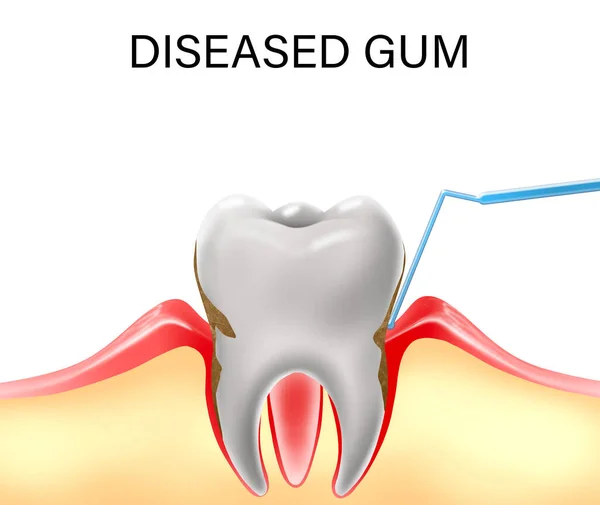
- Periodontal probing: The dentist will use a small probe to measure the depth of pockets around your teeth and assess the health of your gums.
- X-rays: Dental X-rays can help the dentist see the extent of bone loss and determine if there is any damage to the underlying bone.
- Blood tests: Blood tests can be done to check for markers of infection or inflammation.
- Oral swabs: The dentist may take a swab from the mouth to test for the presence of bacteria that can cause gum disease.
- Gum tissue biopsy: In some cases, a small piece of gum tissue may be taken to determine the presence and severity of gum disease. It can be viewed under the microscope.
The dentist will determine the stage and severity of gum disease based on the results of these tests. Early diagnosis and treatment are important to prevent the progression of gum disease and protect your oral health.
Gum Disease Medications
Some of the common medications used for gum disease include:
- Antibiotics: Antibiotics can be used to control the bacterial infection that causes gum disease. This may be in the form of topical antibiotics, oral antibiotics, or a combination of both.
- Chlorhexidine: This is a prescription mouthwash that can help control the bacteria that cause gum disease.
- Non-steroidal anti-inflammatory drugs (NSAIDs): These drugs can help reduce inflammation and pain associated with gum disease.
- Corticosteroids: These drugs can be used to reduce inflammation and swelling in the gums.
- Antiseptics: Antiseptics can be used to kill bacteria and reduce inflammation in the gums.
- Painkillers: Pain relievers such as ibuprofen can be used to relieve pain and discomfort associated with gum disease.
It’s important to remember that medications are only one part of a comprehensive treatment plan for gum disease. Good oral hygiene, regular dental cleaning and lifestyle changes are also important for the prevention and treatment of gum disease. Our dentists will determine the best treatment for your individual needs.
Periodontal (gum) Disease Surgery
Periodontal (gum) disease surgery is a procedure used to treat gum disease that has progressed to a more advanced stage. It is a type of oral surgery performed by a periodontist, a dentist who specializes in the treatment of gum disease.
The goal of periodontal surgery is to remove infected and inflamed tissue. Next is to reshape the gums to fit more tightly around the teeth. This helps reduce pockets between teeth and gums where bacteria can build up.
Types of periodontal surgery;
- Soft tissue grafts: This procedure involves taking a small piece of tissue from another part of the mouth and grafting it into the affected area to help seal the exposed roots and improve the appearance of the gums.
- Bone grafts: This procedure involves placing a bone or bone-like material in the jaw to support the gum tissue and reduce the risk of tooth loss.
- Pocket reduction surgery: This procedure involves removing infected tissue and reshaping the gums to fit more tightly around the teeth.
- Flap surgery: This procedure involves removing the gums from the teeth and removing infected tissue before repositioning the gums and securing them in place with stitches.
Periodontal surgery is usually performed under local anesthesia. It may require several visits to the periodontist. After the procedure, patients will need to follow a strict oral hygiene regimen and attend regular follow-up appointments to monitor their progress and ensure that gum disease does not return.
What is Pink Aesthetics (Gum Aesthetics)?
Pink aesthetics, also known as gum aesthetics, refers to the cosmetic treatment of the gums to improve their appearance. This type of treatment is usually performed by a periodontist or cosmetic dentist. It is designed to improve the appearance of the gums and create a more aesthetically pleasing smile.
Pink aesthetics typically involve reshaping the gums to improve their symmetry and balance, as well as correct problems with excess gum tissue or gum recession. This can be achieved through a variety of techniques, including gingival reshaping, gingival lift, and gingival reshaping.
Gum contouring involves removing excess gum tissue that covers the teeth too much, creating an uneven or “gummy” appearance. Gum lift involves repositioning the gingival tissue to cover less of the teeth and create a more aesthetically pleasing smile.
Pink aesthetics can be done as a stand-alone procedure or in combination with other cosmetic dental treatments such as teeth whitening, veneers or orthodontics. The purpose of pink aesthetics is to create a more harmonious and aesthetic smile. It is also to improve oral health and function.
It is important to remember that although pink aesthetics can improve the appearance of the gums, it is not a substitute for periodontal treatment. If there is gum disease, it should be treated to address any underlying health issues before undergoing cosmetic gum treatment.
Gingivitis (Inflammation) And Periodontal Disease (Gum Disease)
Gingivitis and periodontal disease are conditions that affect the gums and teeth.
Gingivitis is gingivitis that can be caused by plaque and tartar buildup on the teeth. This plaque and tartar cause the gums to become inflamed and bleed easily, leading to gingivitis. Symptoms of gingivitis include red, swollen gums that bleed when brushing or flossing.
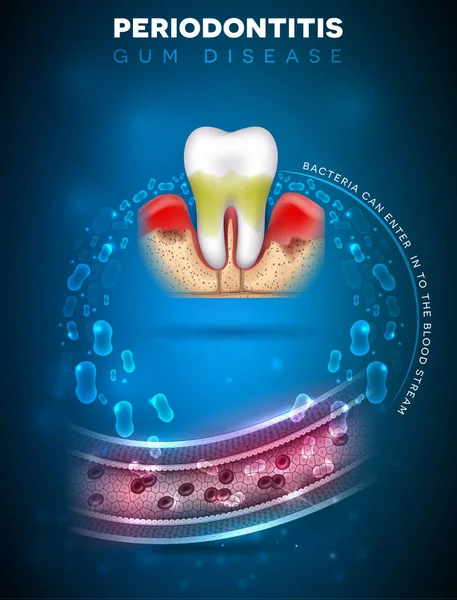
Periodontal disease, also known as gum disease, is a more advanced form of gingivitis. In periodontal disease, the gums become infected. It begins to move away from the teeth, forming pockets of bacteria. Bacteria in these pockets cause the destruction of the supporting tissues and bones around the teeth, causing tooth loss. Symptoms of periodontal disease are bad breath, loose teeth, and bleeding gums.
Both gingivitis and periodontal disease can be treated. It is important to seek treatment as soon as possible to prevent progression of the disease. Treatment options include scaling and root straightening, antibiotics and, in advanced cases, surgery.
Types of Gum Infection
There are several types of gum infections that can affect the health of the gums and teeth. Some of the common types of gum infections are:
- Gingivitis: This is the early stage of gum disease. It is characterized by inflammation and bleeding of the gums.
- Periodontitis: It is an advanced stage gum disease characterized by the destruction of the supporting tissues and bones around the teeth.
- Tooth Abscess: This is a type of infection that occurs at the root of the tooth and can cause gum swelling and pain.
- Pericoronitis: This is an infection that occurs around the wisdom teeth and can cause swelling and pain in the gums.
- Necrotizing Ulcerative Gingivitis: This is a serious form of gum disease that can cause ulcerations and necrosis (tissue death) in the gums.
- Herpetic Gingivostomatitis: This is a viral infection that causes inflammation of the gums, mouth and lips.
It is important to treat gum infections as soon as possible to prevent disease progression and maintain gum and dental health. Treatment options vary according to the type and severity of the infection. But it may include antibiotics, scaling and root straightening and surgery.
What Is the Difference Between Gingivitis And Periodontitis?
Gingivitis and periodontitis are two types of gum disease that affect the health of the gums and teeth. While they are related, there are some key differences between the two conditions:
- Stage of Disease: Gingivitis is the early stage of gum disease. Periodontitis is the more advanced stage of the disease.
- Symptoms: Symptoms of gingivitis include red, swollen gums that bleed when brushing or flossing. Periodontitis is the destruction of the supporting tissues and bones around the teeth. It is characterized by tooth loss.
- Treatment: Gingivitis can usually be treated with good oral hygiene practices and regular dental cleanings. On the other hand, periodontitis may require more intensive treatments such as scaling and root straightening, antibiotics and, in advanced cases, surgery.
- Progression: If gingivitis is not treated, it can progress to periodontitis. However, if gingivitis is treated early, progression to periodontitis can be prevented.
It is important to prevent the progression of the disease and to maintain the health of the gums and teeth. Regular dental checkups and good oral hygiene practices can also help prevent the development of gum disease.
What Is Gingivectomy And Gingivoplasty?
Gingivectomy and gingivoplasty are two types of dental procedures used to treat gum disease and improve the appearance of the gums.Gingivectomy is a surgical procedure in which excess gum tissue is removed from the gums. This procedure is typically done when the gums are overgrown and cause problems with biting or make teeth appear too short.
Gingivoplasty, on the other hand, is a surgical procedure in which the gums are reshaped to improve their appearance. This procedure is typically done when the gums are uneven or receded causing the teeth to appear longer.
Both gingivectomy and gingivoplasty are typically performed under local anesthesia. It requires some recovery time after the procedure. The specific details of the procedure, including recovery time, will depend on the individual case and the scope of the procedure.
It is important to seek treatment from a qualified dentist to determine the best course of action to improve the appearance and health of the gums.
Gum Disease Treatment Cost
The cost of gum disease treatment can vary depending on several factors, including the severity of the disease, the type of treatment chosen, and the location of the dental office.
Treatment for early-stage gingivitis may include a professional cleaning, which can cost between $75 and $200. More extensive treatment may be required, such as scaling and root straightening, which can cost $500 to $3,000 or more. In advanced cases, surgery may be required, which can cost several thousand dollars.
There may be additional costs associated with gum disease treatment, such as medication costs, follow-up appointments, and dental X-rays.
It’s important to keep in mind that the cost of gum disease treatment is an investment in your oral health and can help prevent more serious and costly dental problems in the future.
It is also important to choose a qualified and experienced dentist for your gum disease treatment to ensure the best possible outcome.
Gum Disease Treatment Cost In Turkey
The cost of gum disease treatment in Turkey can vary depending on several factors such as the severity of the disease, the type of treatment chosen and the location of the dental clinic.
In general, gum disease treatment in Turkey is cheaper than in other countries such as the United States or the United Kingdom. For example, a dental scaling and root straightening procedure that costs several thousand dollars in the United States can cost only a few hundred dollars in Turkey.
The cost of gum disease treatment in Turkey can vary greatly depending on the clinic, the experience and qualifications of the dentist, and the specific treatment plan. On average, the cost of gum disease treatment in Turkey can range from $300 to $1,500 or more.
Although the cost of gum disease treatment in Turkey is lower than in other countries, it is important to choose a qualified and experienced dentist to achieve the best possible outcome.
Why Is Gum Disease Cheap In Turkey?
Gum disease treatment in Turkey is relatively inexpensive compared to other countries due to several factors, including:
- Lower operating costs: Operating costs, including labor, material and equipment costs, are generally lower in Turkey than in other countries. This helps keep dental treatment costs low.
- Lower overheads: Dental clinics in Turkey have lower overheads than clinics in other countries.
- Competitive pricing: There is a high level of competition among dental clinics in Turkey, which helps keep prices low.
- High demand for dental tourism: Turkey is a popular destination for dental tourism. Many dental clinics offer competitive prices to attract patients from other countries.